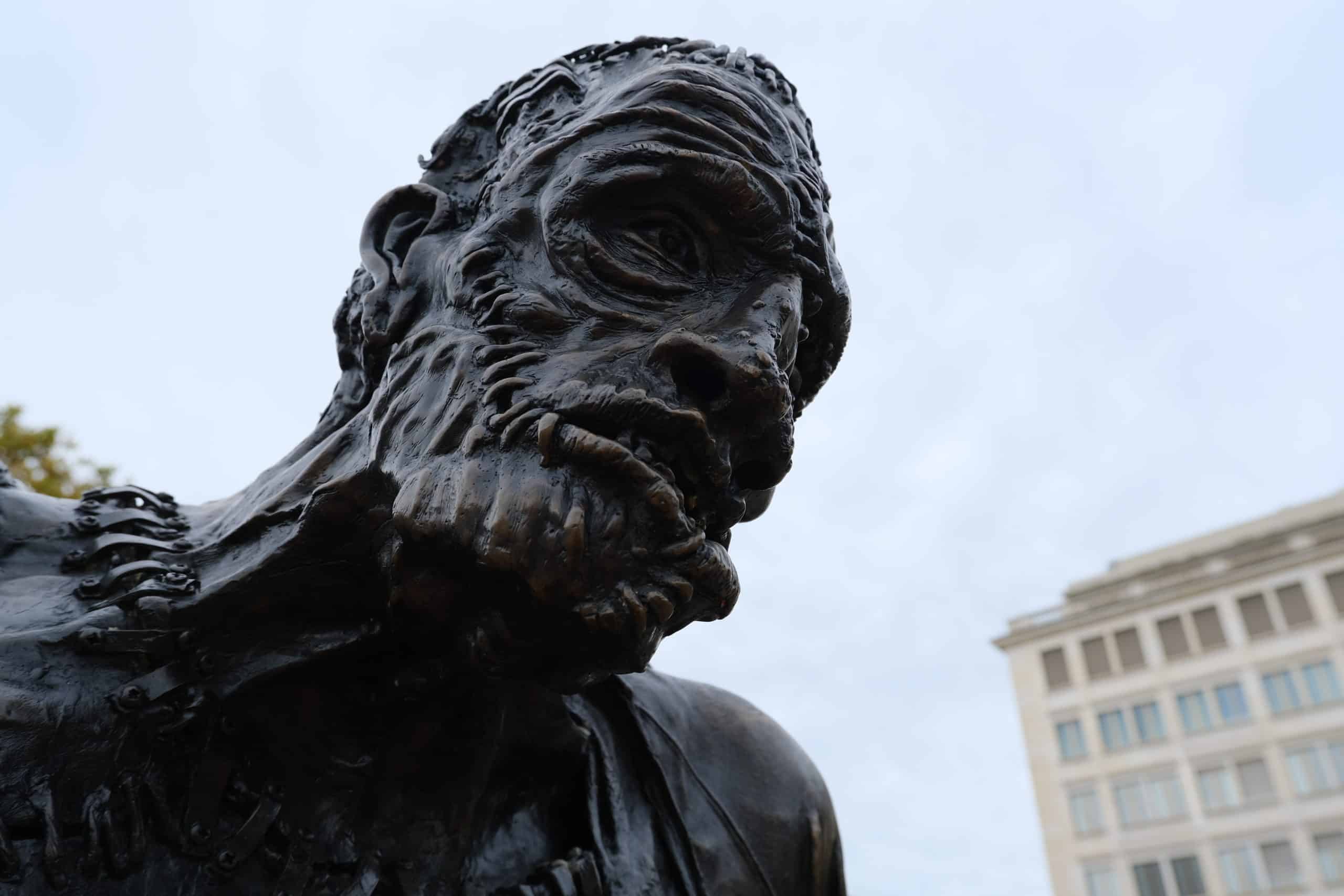
Imagine a stormy night on Lake Geneva, and suddenly the pale silhouette of a student who has given life to a monstrous creature crosses your mind. This is the vision that Mary Shelley had and which inspired her to create her novel. But how did it come about?
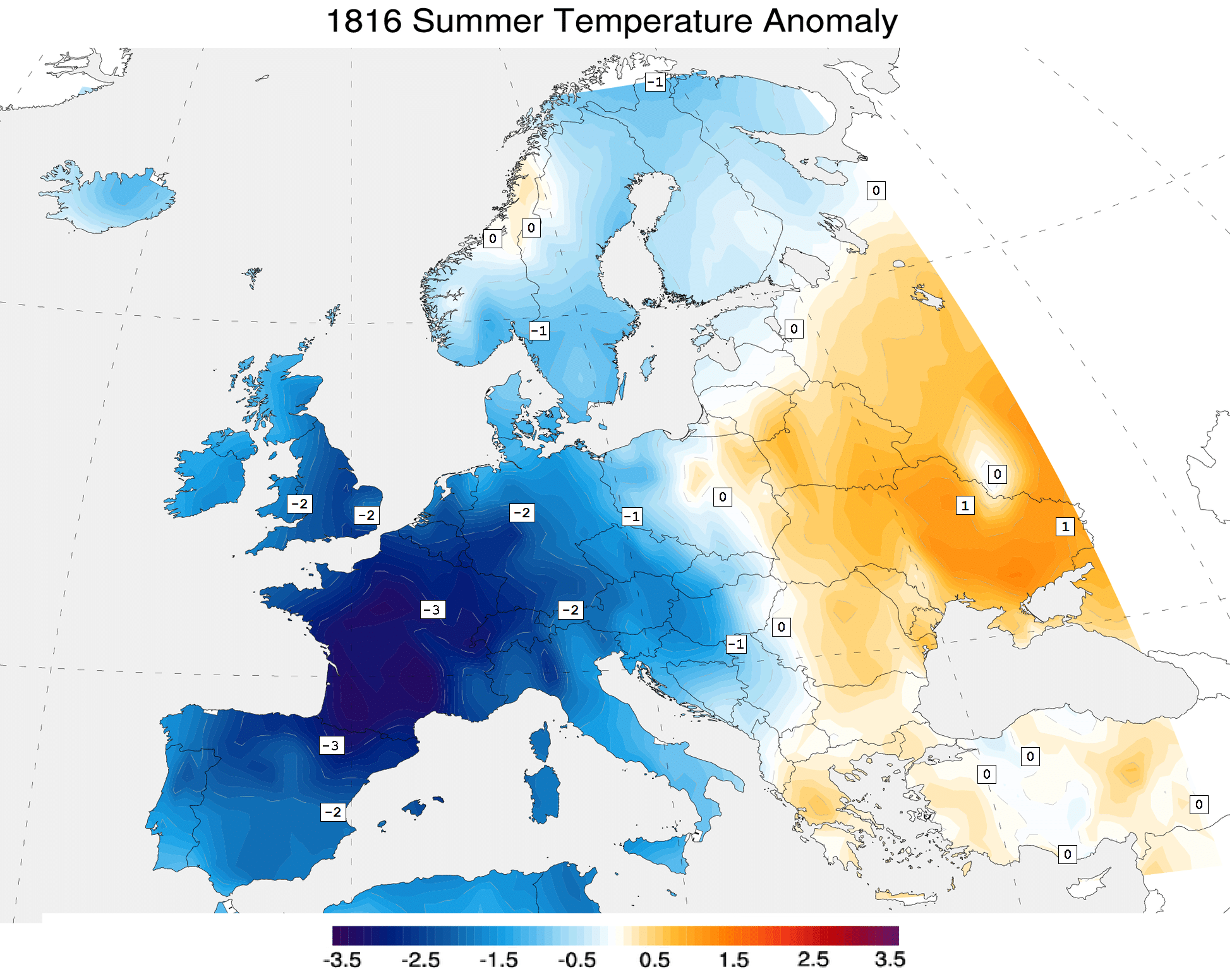
In 1816, the eruption of the Indonesian volcano Tambora spewed almost 60 million tonnes of sulphur into the stratosphere. An event that had repercussions as far away as Switzerland! In addition to this phenomenon, there was a period of low solar activity, known as the Dalton Minimum. The result? A cold, gloomy year in Europe, known as the «year without summer». In Geneva, records show an average summer temperature of 14.7°C, 4.4°C lower than the current climate average - a record low!
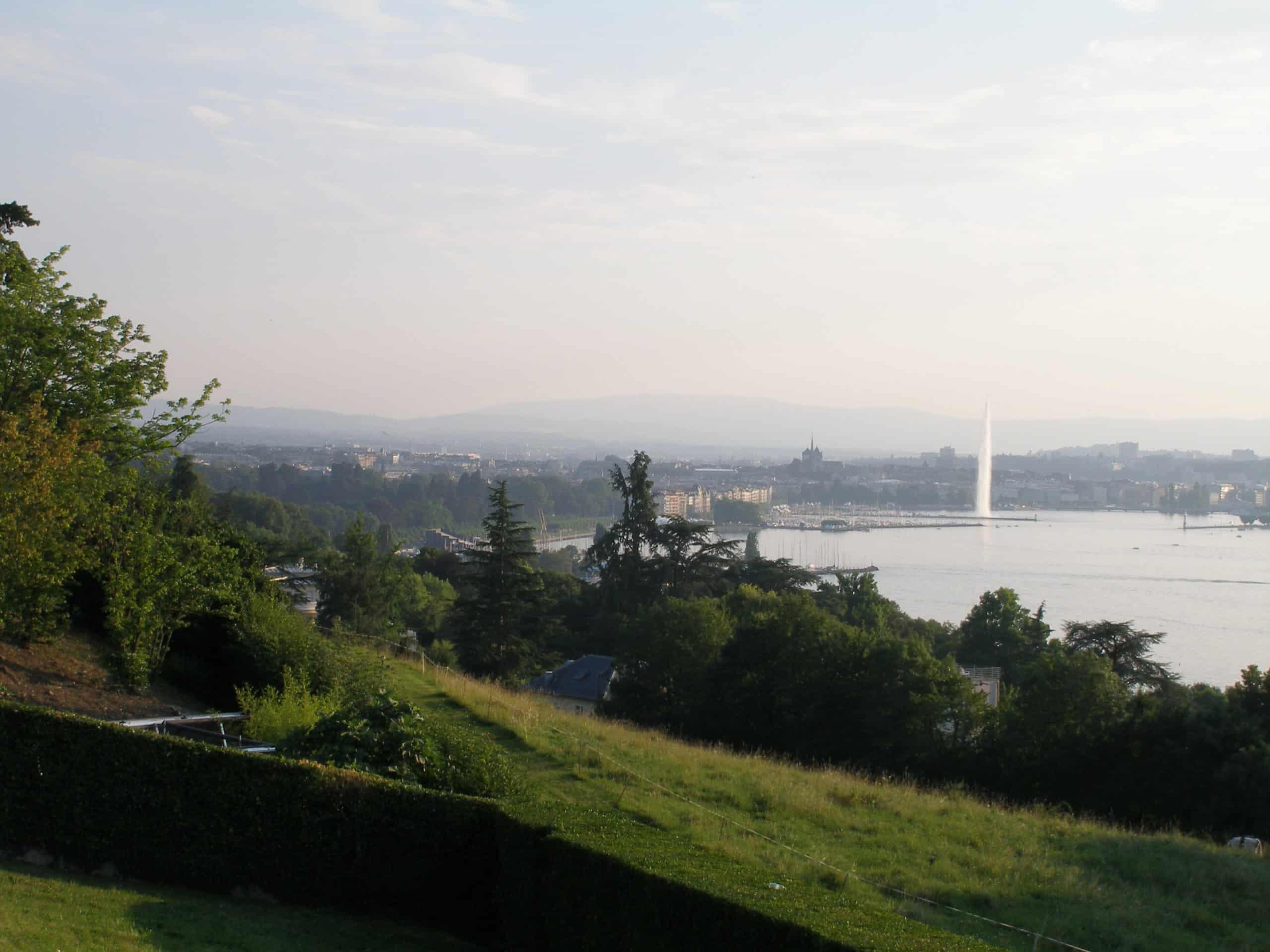
That summer, Mary Shelley stayed in Geneva at the Villa Diodati, high above Cologny on the shores of Lake Geneva, in the company of the poets Percy Shelley and Lord Byron and her physician, John Polidori. She later wrote that it was «a wet summer, not very clement, and incessant rain that often confined them to the house for days at a time».
To pass the time, they immersed themselves in reading ghost stories and Byron challenged his guests to write one each. A few nights later, unable to sleep, Mary was overcome by terrifying images of ’a pale student of the secular arts kneeling beside the creature he had assembled«. The horror of this vision haunted her and she realised that she had found something. If this story had terrorised her, why not imagine that it would trouble others? From that stormy night were born the beginnings of Frankenstein or the modern Prometheus.
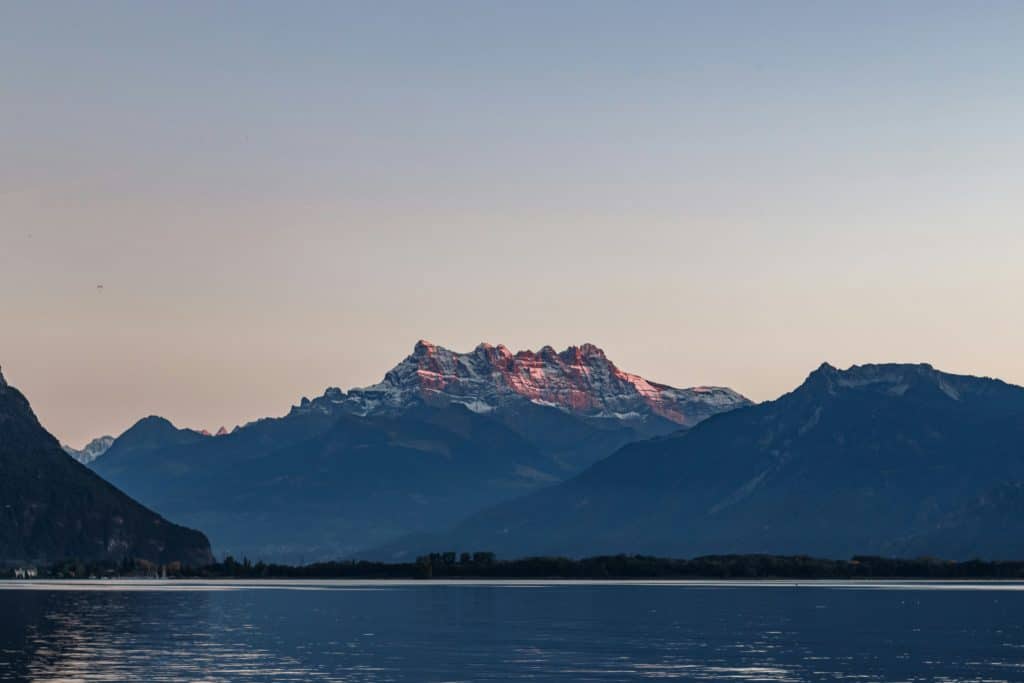
More than two centuries after his creation, Frankenstein continues to shine throughout the world, and Lake Geneva remains an inexhaustible source of creative inspiration.
📷 : 1 Frankie a.k.a The Creature of Doctor Frankenstein, by KLAT - Guilhem Vellut , 2 Temperature anomaly during the summer of 1816 (°C) - Giorgiogp2, 3 View of the lake from Villa Diodati - Robert Grassi
Sources: Meteo Switzerland, Project Gutenberg