Plastic is a major source of pollution in Lake Geneva
This project receives support from the Primat Foundationthe Modus Foundationthe Sandoz Family Philanthropic Foundation, and the Seedling Foundation.
The issue of plastic is present all over the world and has entered the ranks of the greatest environmental problems that humanity has created and must face.
Lake Geneva is no exception to this invasion of plastic, and it was against this backdrop that the ASL decided in 2014 to tackle this issue, a battle it has been waging for 10 years now, with concrete actions on the ground such as Net'Léman - the great lake clean-up and participatory science initiatives such as the Net'Léman Appand scientific studies such as Pla'stock or Léman Plastic Action.
At present, the proven consequences are potentially affecting lake fauna. Birds, fish and mammals are the first victims. Ingestion of debris can lead to obstruction of the digestive and/or respiratory tracts, leading to death in the worst cases.
Another consequence, less visible but just as problematic, is the ingestion of microplastics by smaller organisms, such as plankton, mussels, etc. According to a EPFL reportcommissioned by the Federal Office for the Environment (FOEN), ingestion is a proven fact. However, the impact in the food chain, i.e. the phenomenon of bioaccumulation, is strongly suspected but not yet proven. The metabolisation of additives present in certain plastics could lead organisms higher up the food chain to store toxic components. In other words, humans at the top of the food chain could ingest very large quantities of harmful products by consuming products from the lake, thus mimicking the same phenomenon of bioaccumulation that currently exists with various heavy metals.
Reduce emissions by 50% by 2040
Propose practical solutions to the various target audiences identified
Develop decision-making tools
Encourage the implementation of practical measures on the ground
Facilitating awareness-raising workshops and targeted meetings
Contribute to the improvement of human and environmental health in the Lake Geneva region
[1] According to the study Léman Plastic Action, the potential for reducing plastic pollution in Lake Geneva by 2040 is 75 % under the most ambitious scenario, 50% in the automotive sector (tyres), 87% in the construction sector and 83% in public infrastructure.
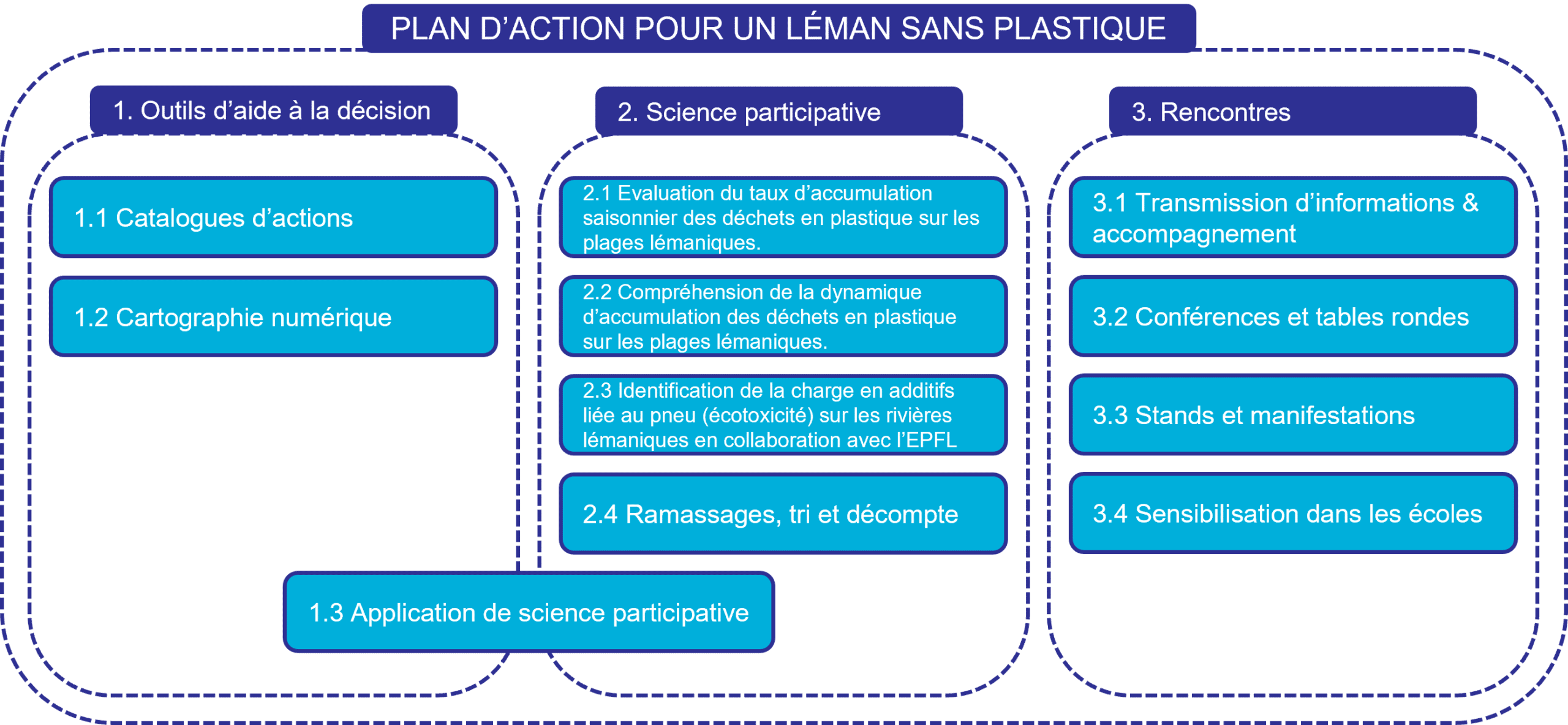
The action plan for a plastic-free Lake Geneva is built around 3 pillars (decision-support tools, participatory science and meetings), broken down into 11 actions (presented below), all framed by a communication programme.
Each of the 11 actions is intended for different target audiences.
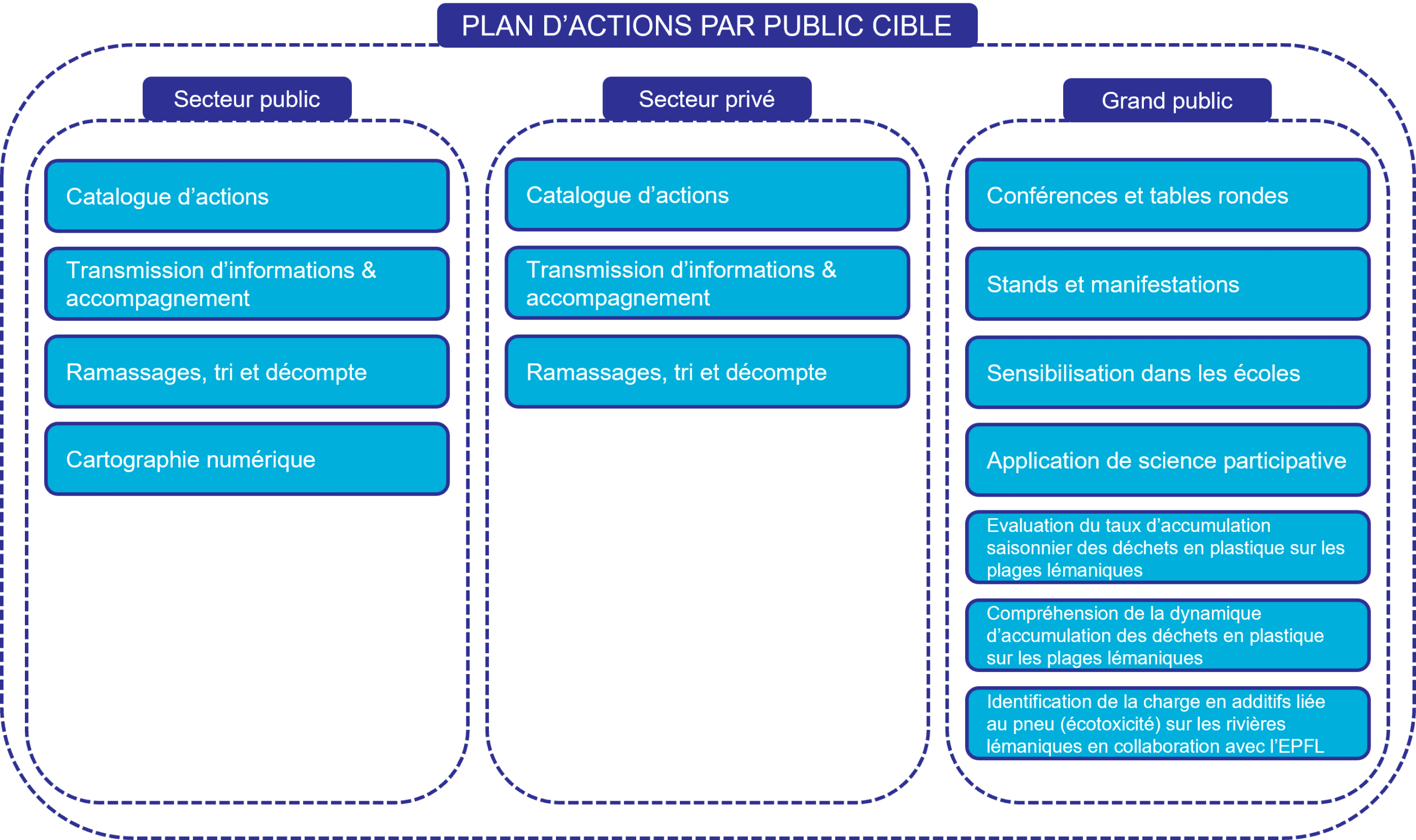
Like the guide from the Paris Climate Agency's «Plastic-free sport – 40 measures to do away with plastic in my sports club» guide, ASL would like to develop catalogues of actions tailored to the local context and, above all, to the various target audiences.
The recommended measures will take into account feasibility and impact potential based on the measures taken as part of the Léman Plastic Action study.
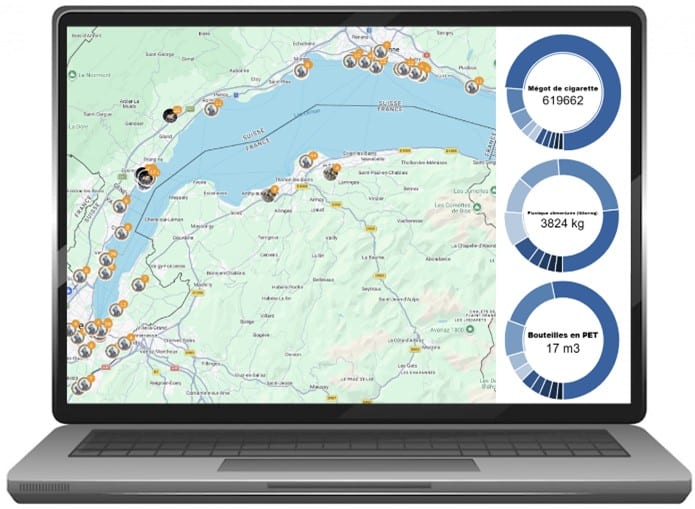
The LGD has a large amount of data on waste collected in the Lake Geneva region. This data makes it possible to obtain statistics on plastic waste found on the shores of Lake Geneva, but it is not currently freely accessible. This data visualisation tool will make it possible to measure the effectiveness of public policies over time and, above all, to make these results accessible.
The tool will also make it possible to display the practical measures implemented by the various local authorities and thereby encourage other municipalities to join the initiative.
This should lead to the municipalities being put in touch with one another in order to discuss the actions undertaken and their results.
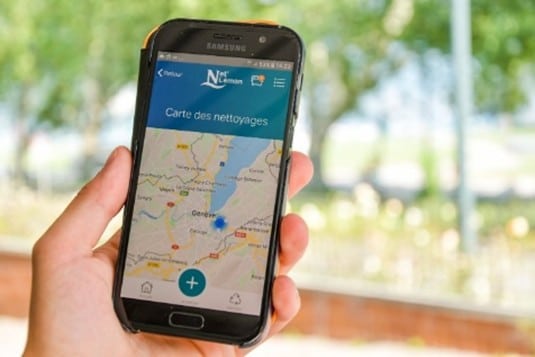
With over 2,000 litter-picking actions recorded and nearly 800 users, the’App Net'Léman needs to be modernised. Indeed, the technology used when it was created in 2019 has evolved enormously and it is now necessary to offer a new format using existing technologies. While remaining user-friendly and fun, it must allow individual litter-picking actions to be recorded while collecting valuable data that will feed into the digital mapping tool
The ASL already has decision-support tools, calculators, data and a network of experts enabling it to support the various identified target groups.
The aims of this citizen science study are to:
To achieve these aims, the goal is to involve a hundred of volunteers for:
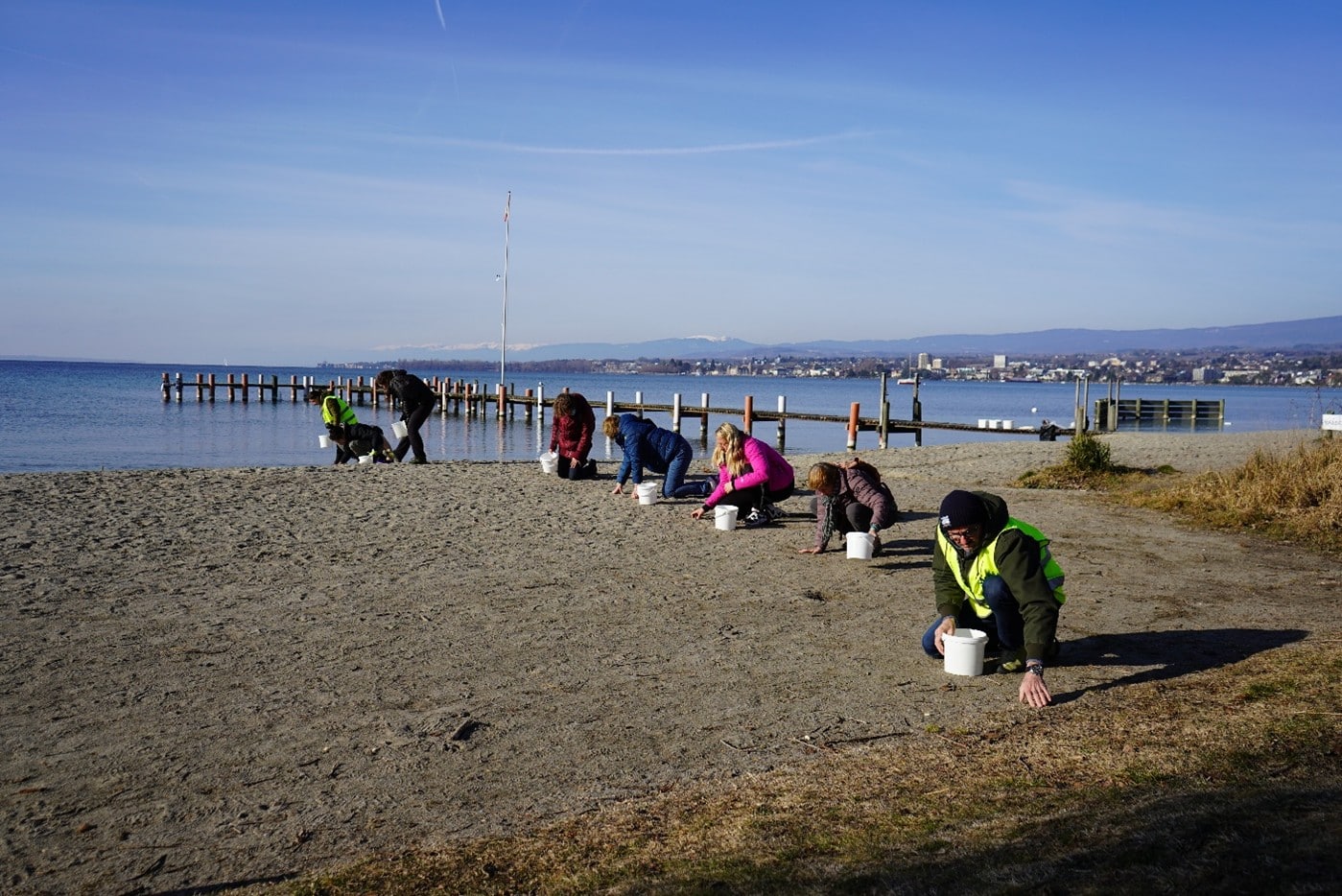
To this end, a rigorous scientific protocol will be established, based on the one implemented in the study Pla'stock. To allow long-term monitoring and thus feed the digital mapping tool, this study will be repeated every 4 years to measure the effectiveness of the measures implemented around Lake Geneva.
This study is complementary to the previous one. Indeed, the aim here is to measure the dynamics of waste accumulation. The small beach located upstream of the Port Wilson in Geneva is ideal due to its exposure to currents and winds. The protocol applied will be the same, with a weekly visit rate for one year, followed by a monthly visit rate the following year.
Objectives:
This study will be carried out in the laboratory of Florian Breider, Head of Unit for the Central Environmental Laboratory (CEL) at EPFL.
Thanks to around fifteen volunteers, 15 substrate and water samples will be taken from 15 Lake Geneva rivers on 3 occasions at a set interval (definitive protocol to follow).
The 45 samples will be analysed by a student or a civilian service worker at EPFL in order to identify the additive load linked to tyre dust and thereby measure its ecotoxicity.
This study forms part of a general research movement into the issue of plastic pollution following the publication of the Federal Council's report Plastic pollution in the environment of 23 September 2022 which helped put this issue on the political agenda.
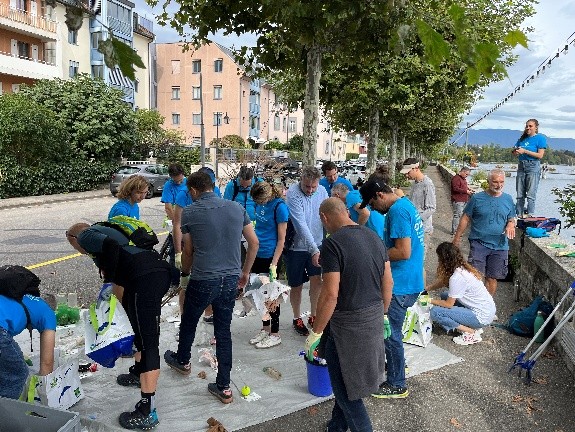
Lake Geneva shoreline cleanup activities with methodical sorting and counting of waste to feed our database and enable long-term monitoring of reference beaches. These actions are frequently paired with discussion over coffee, which allows conversations to continue and thus raises participants' awareness of the issue.
The objective is to organise at least 20 events per year.
Targeted meetings with the various departments concerned in order to build awareness and propose concrete solutions, notably through the catalogue of actions developed for this purpose. As part of the Léman Plastic Action study, key activity sectors were identified (construction, boating, etc.). The aim is to raise awareness among businesses in these various strategic sectors regarding the issue of plastic pollution and present solutions using the catalogue of actions tailored to their activities.
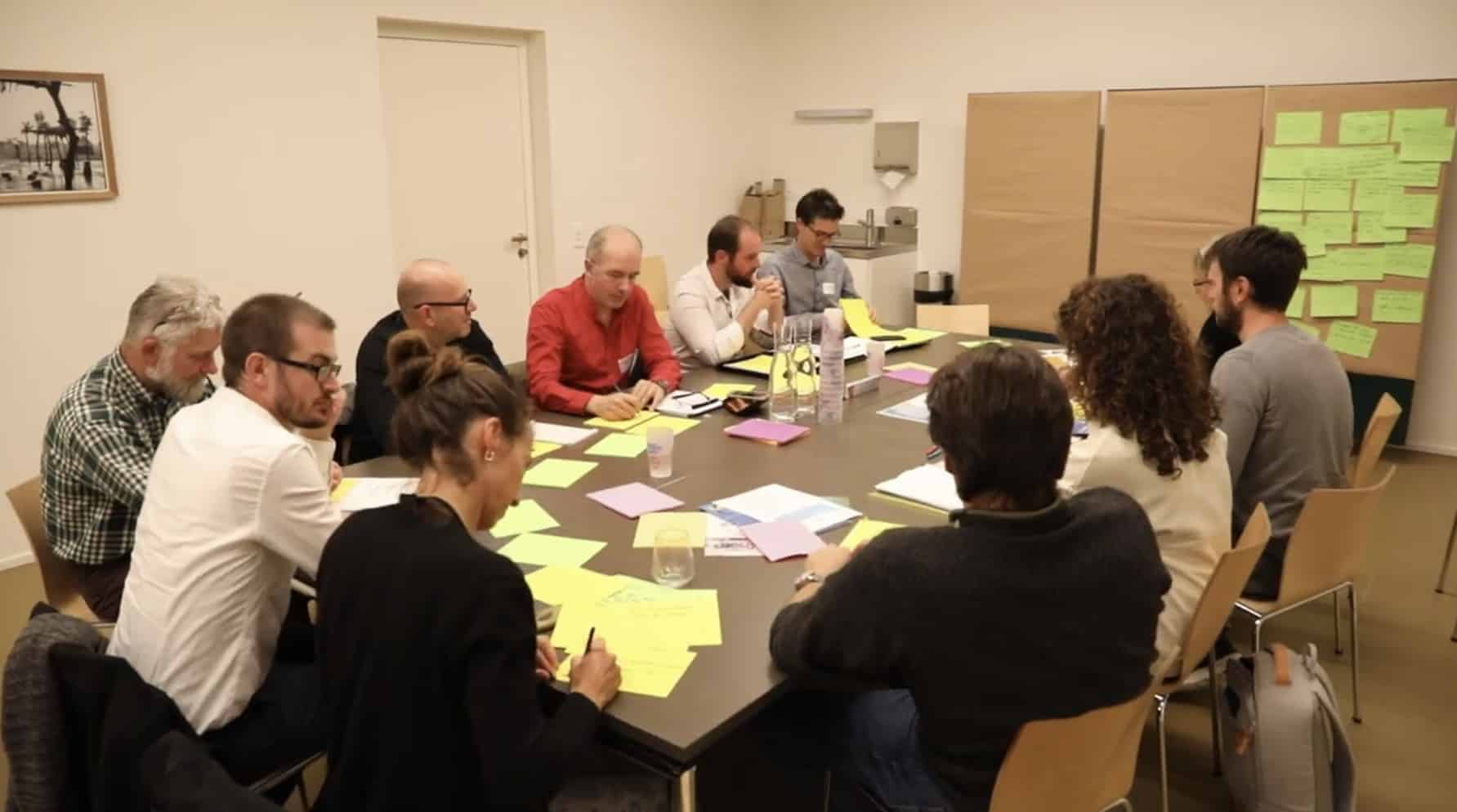
These meetings will take the form of participative workshops and the sharing of best practice between the various stakeholders in order to create a high-performing network.
The aim is to organise at least 10 meetings a year.
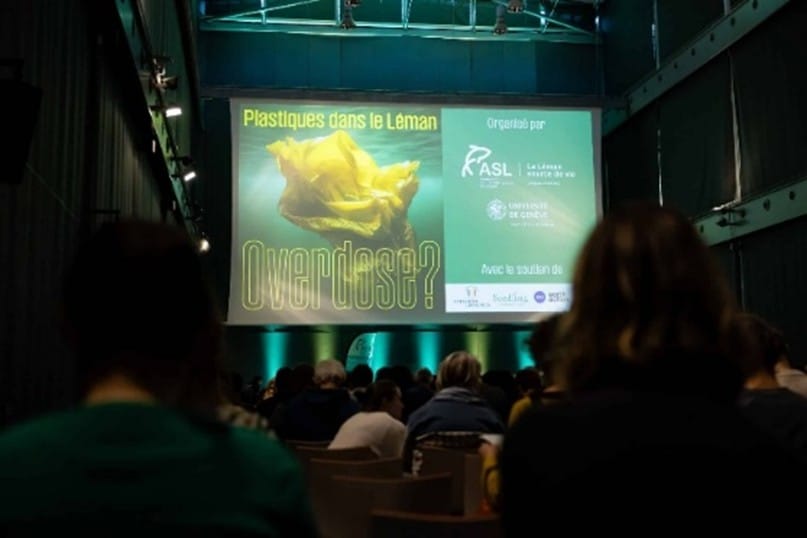
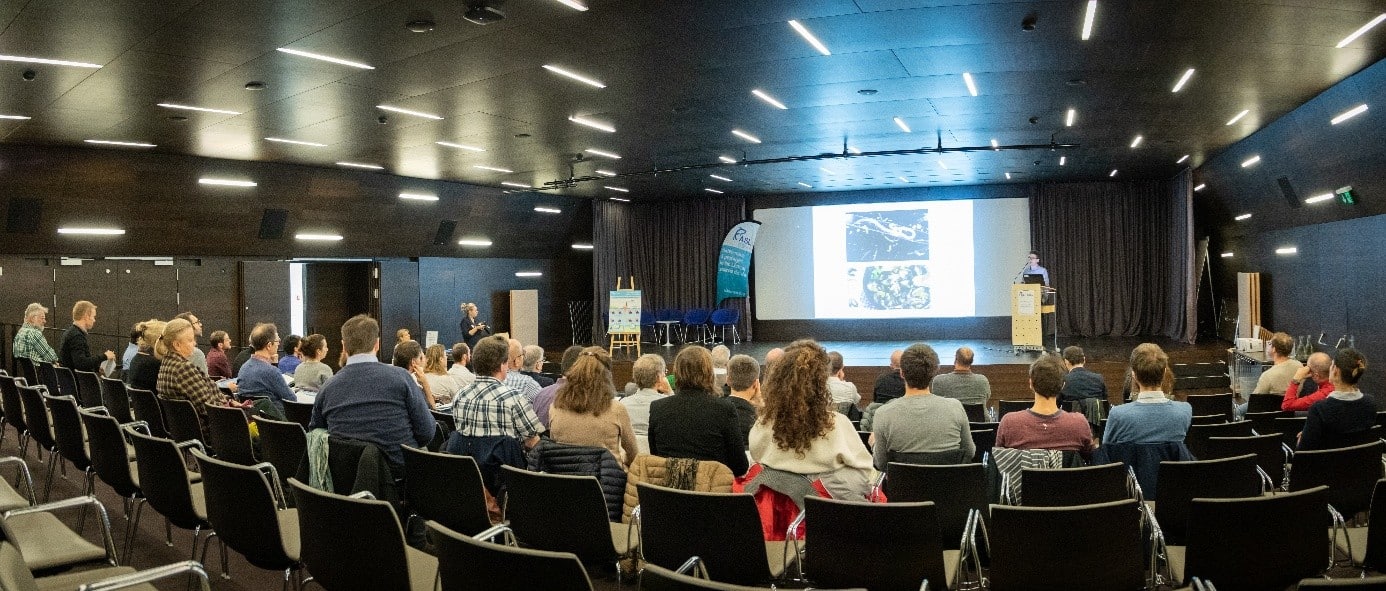
Similarly to the conference organised in 2025 by the ASL at Campus Biotech, the organisation of conferences or panel discussions aims to raise public awareness of the issue of plastic pollution while providing solutions to be implemented.
The objective is to organise at least 5 meetings a year.
Being present at events all around Lake Geneva is an opportunity to reach a different audience and thereby raise awareness among people who are perhaps less aware of these issues.
The aim is to take part in at least 3 events per year.
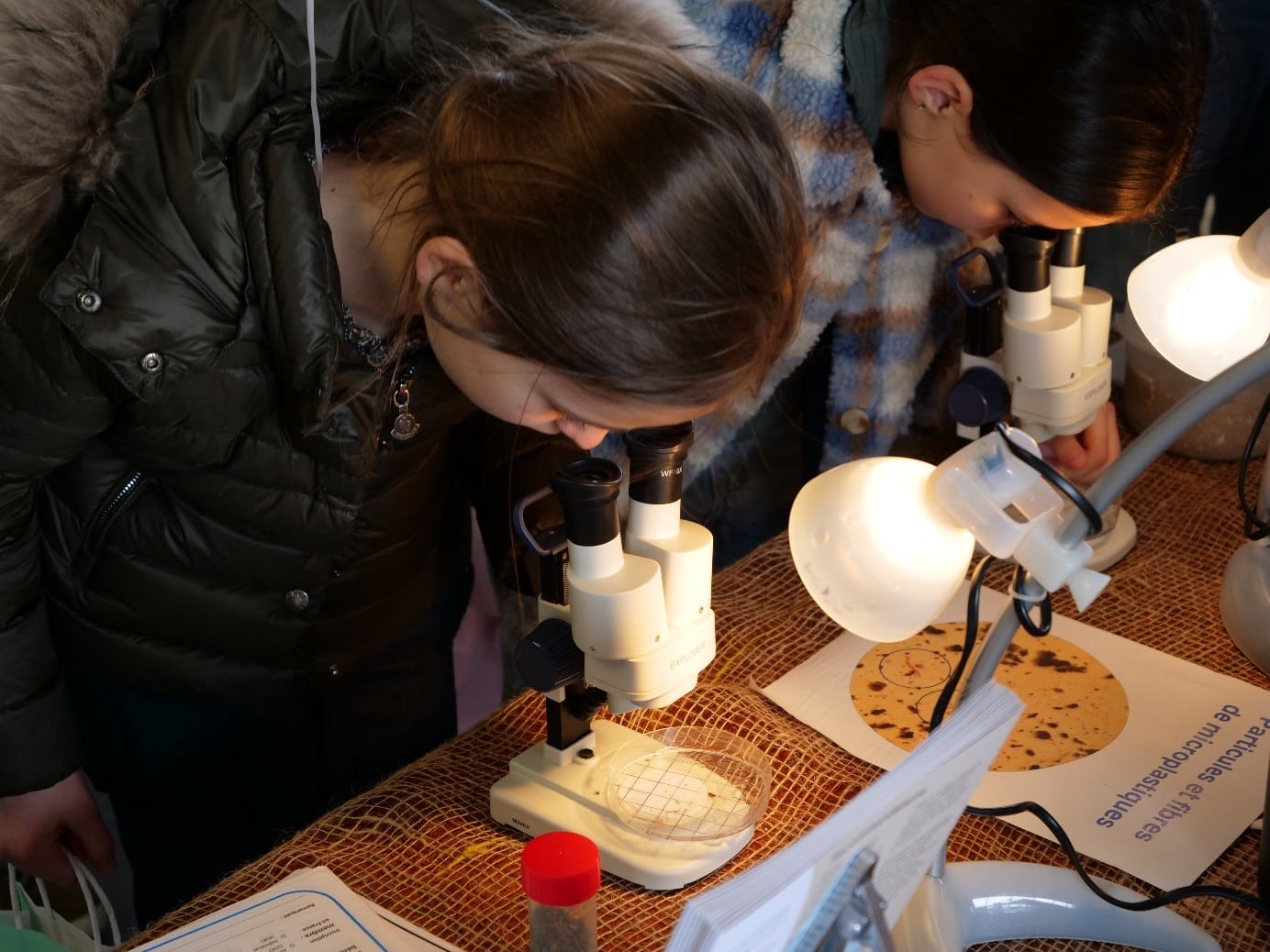
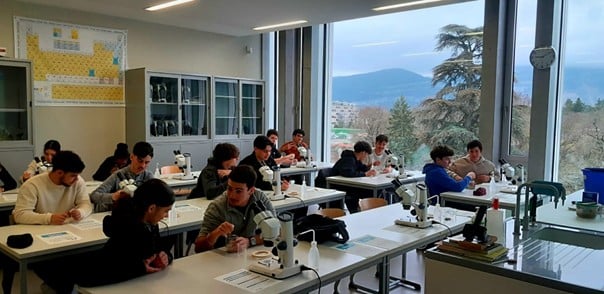
The ASL already organises numerous workshops for schools, particularly for primary classes on biodiversity issues. The workshops on the theme of plastic are aimed at lower and upper secondary classes and consist of two parts: 1) counting the microplastics contained in a substrate sample taken from a beach, and 2) a theoretical section on the challenges of pollution in aquatic environments. The aim is to raise awareness of the amount of microplastics found on beaches and to think about the right actions to limit contamination.
The objective is to run at least 20 workshops per year.
We use only the cookies necessary to improve your experience on this site. Find out more

We look forward to seeing you in January to continue our work, share useful knowledge and work together to protect Lake Geneva. Your loyalty and commitment give our mission its full meaning, and we'd like to offer you our sincerest thanks.