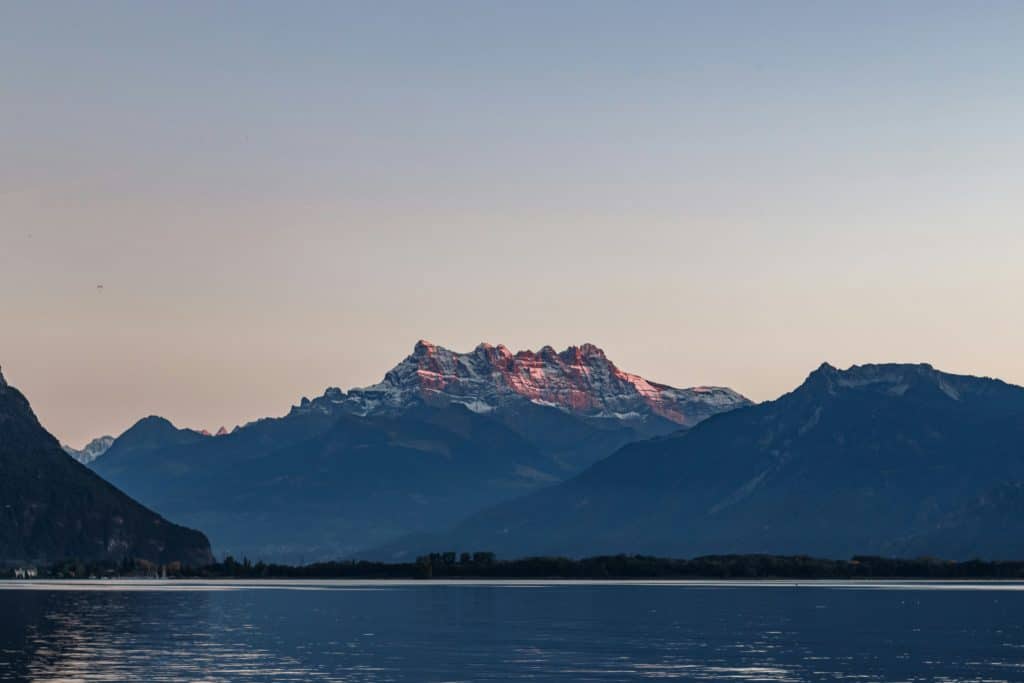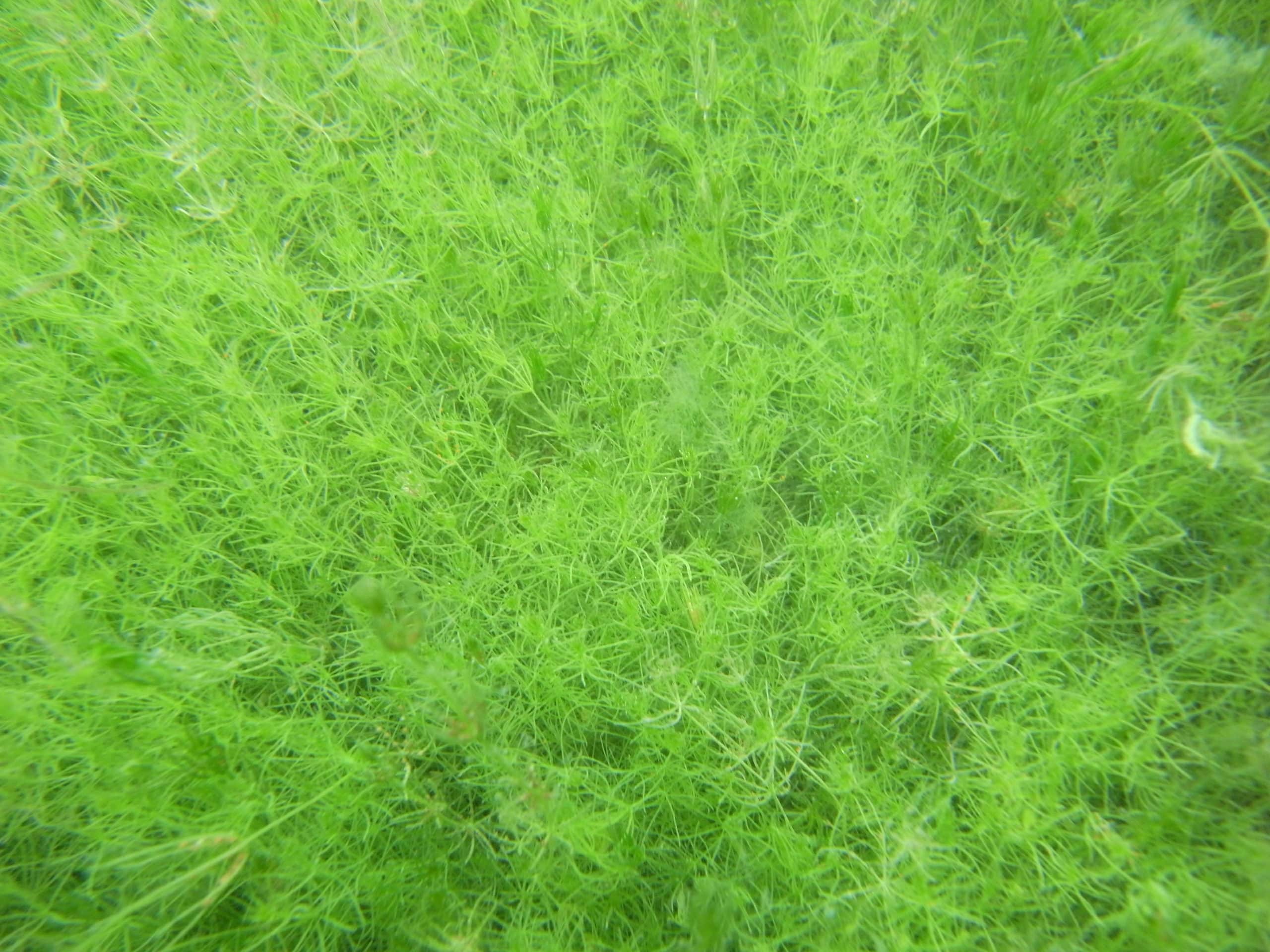
A recent study has mapped the aquatic meadows in Geneva's Lake Geneva region in 2024 and analysed how they have changed since 2016.
Veritable «underwater forests», seagrass beds play a fundamental role in the lake's ecosystem:
- spawning grounds and fish nurseries
- habitats and refuges for fish, crayfish and aquatic invertebrates
- the main source of food for several bird species
The study confirms the positive effects of the re-oligotrophication of Lake Geneva, with the reappearance of characeae (Chara aspera and Tolypella glomerata), indicative of nutrient-poor waters that have been absent from the lake for over 50 years.
However, the study highlights a sharp decline in seagrass beds, with a loss of around 264 hectares in 8 years, particularly in deep waters, linked to the Quagga mussel, human pressure and potentially global warming.
Given this worrying situation, the protection of aquatic meadows is essential for the functioning of the lake ecosystem. The new cantonal directive on the protection of aquatic meadows during interventions in lakes and watercourses (OCEau, 2025) now guarantees maximum protection for these meadows.